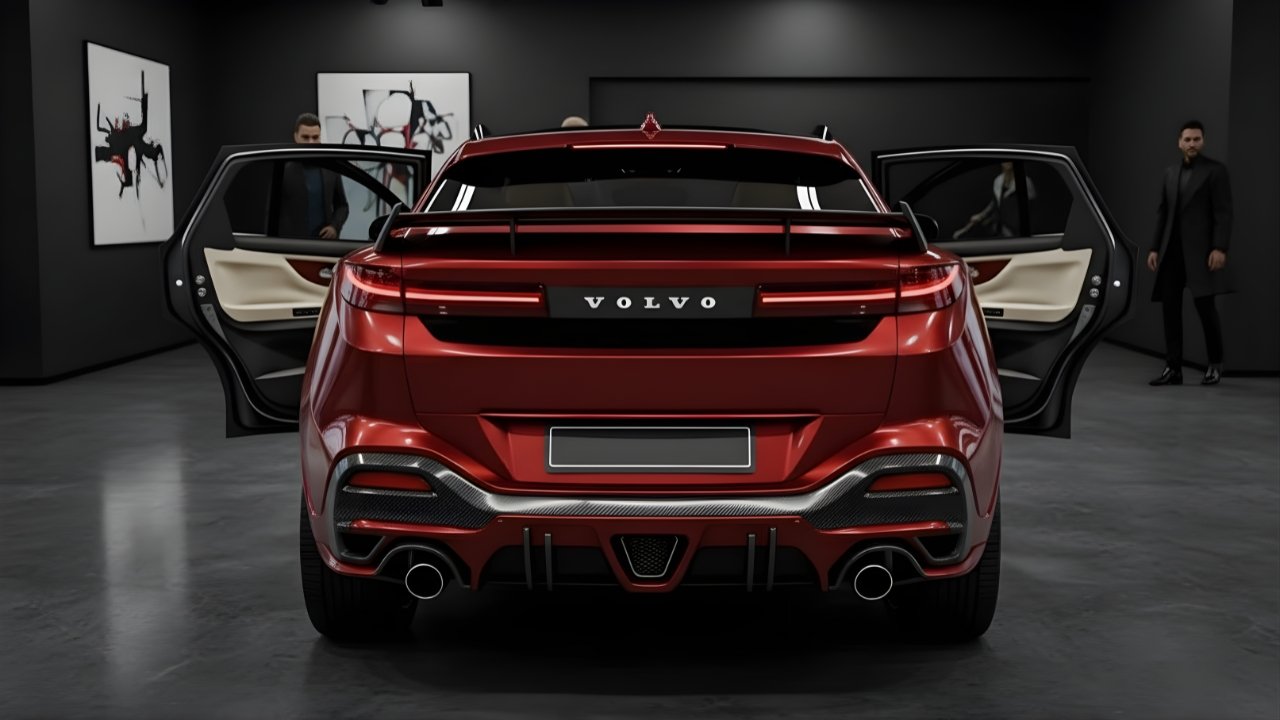
The Volvo EX30 2026 arrives as a compact, highly efficient electric SUV that pushes Volvo’s safety-first DNA into a smaller footprint and a more affordable price segment. The car’s mission is simple: package premium materials, strong connectivity and advanced ADAS into the kind of compact electric vehicle that urban buyers and eco-conscious small-family buyers will actually use every day.
Volvo has engineered the EX30 to be both lightweight and rigid, with a battery and motor architecture tuned to provide brisk performance while keeping running costs low; early official specs and WLTP-derived range figures show the model brings competitive numbers to the compact-EV space.
Design and Packaging
From the outside the Volvo EX30 2026 reads as concise and modern rather than a shrunken XC40: short overhangs, a compact greenhouse and deliberate surfacing create a modern silhouette that’s easy to park and visually contemporary.
Volvo used high-content materials and clever space planning to maximise usable interior volume—rear-seat space is surprisingly accommodating for a vehicle in this class because floorplan, seat placement and a low, flat battery layout open up usable legroom and trunk space.
Exterior detailing is both aesthetic and functional: slim LED signatures, an aerodynamic underfloor and carefully placed cooling inlets help lower drag while giving the car a premium face that fits within Volvo’s family design language. The result is an EV that looks like a small premium SUV and behaves like one in everyday urban and suburban duties.
Powertrain, Range and Charging
Volvo offers the Volvo EX30 2026 with multiple powertrain configurations to suit different buyer priorities and markets: efficient single-motor rear-wheel configurations and higher-output twin-motor all-wheel variants for buyers who want quicker acceleration and greater traction.
The common battery platform — a 69 kWh pack for the extended-range variants — provides competitive WLTP range figures, and rapid DC charging capability reduces long-distance downtime, allowing practical road trips when planned.
Real-world EPA and WLTP figures vary with wheel selection and trim, but manufacturer and independent test figures place the extended-range model well within the segment’s leading ranges while the performance twin-motor variant prioritises pace over absolute mileage.
Volvo’s charging logic and thermal management were given clear attention so that repeated DC sessions and sustained high-speed runs create less thermal derating than earlier-generation compact EVs.
Safety and ADAS
Safety remains Volvo EX30 2026 signature promise, and the Volvo EX30 2026 continues that tradition with an extensive active-safety and ADAS suite. The EX30 achieved top marks in independent crash testing programs—scoring highly for adult and child occupant protection and for safety assist systems—underlining that small size does not require compromise on crashworthiness.
Standard safety hardware includes multi-camera surrounds, a comprehensive airbag system, advanced occupant-protection structures and a large package of driver assistance features such as adaptive cruise with traffic-aware stop/start, lane-centring interventions and automatic emergency braking with pedestrian and cyclist detection.
These systems are integrated into a modern sensor fusion stack that enables smooth intervention logic and strong occupant protection across urban and highway scenarios.
Chassis, Ride and Handling
Underpinning the Volvo EX30 2026 is a chassis tuned to feel nimble in city driving while remaining stable at highway speeds; the battery placement lowers the centre of gravity and helps with body control during lane changes and cornering.
Suspension Volvo EX30 2026 geometry and damper calibration were chosen to provide a balance between comfort and composure: the car soaks up urban imperfections with minimal intrusive rebound while maintaining confident, communicative steering feel.
Higher-trim options bring larger wheels and firmer tuning that sharpen responses without making the ride brittle, and Volvo’s engineers calibrated tyre sizes and rolling-resistance compounds to retain as much range as practical while preserving handling stability. The net result is a car that feels safe and predictable, and one that delivers enjoyable everyday driving without nerve-wracking wallow or vague steering.
Interior, Connectivity and Practicality
Inside, the Volvo EX30 2026 is an exercise in modern minimalism with a premium tilt: surfaces feel carefully chosen, build quality is high, and the controls are arranged for low cognitive load. A large central touchscreen with up-to-date software provides navigation, smartphone integration and energy-management displays; Volvo’s connected services include remote vehicle monitoring, over-the-air updates and telematics that report on battery health and predictive maintenance.
Practical touches such as multiple USB and 12V outlets, modular cargo solutions and thoughtfully placed cupholders and trays make the car genuinely usable for daily life. The interior atmosphere aims to feel contemporary and calm—soft-touch surfaces in upper trims, easy-clean materials in high-contact areas and good visibility all contribute to a comfortable cabin that suits both solo commutes and short family trips.
Technology, Sustainability and Ownership
Volvo’s tech stack on the Volvo EX30 2026 pushes both convenience and sustainability: the car’s software receives over-the-air updates for navigation and ADAS refinements, and energy-management tools help owners get the most from battery capacity through charge scheduling, regenerative braking tuning and thermal pre-conditioning.
The manufacturer has emphasised lifecycle sustainability—materials selection and manufacturing transparency are part of Volvo’s broader electrification strategy—so buyers get a small EV whose building blocks are designed with recyclability and environmental impact in mind. Ownership costs benefit from lower running costs than ICE alternatives and the convenience of rapid charging, but buyers should plan for real-world range variations depending on speed, wheel size and climate control use.
Independent Volvo EX30 2026 pricing and launch timing vary by market; recent U.S. positioning shows the EX30 arriving as a 2026 model with trims priced higher than some initial projections but still competitive within the premium compact EV class.
Conclusion
The Volvo EX30 2026 is a compact EV that manages to combine small-car agility with Volvo’s hallmark safety, thoughtful packaging and modern connectivity. It aims to make premium electric mobility more accessible by providing sensible real-world range, comprehensive safety hardware and a usable, well-made interior that respects both driver and passenger.
Prospective buyers should prioritise a test drive with the trim and wheel combination they expect to use most, confirm local charging network compatibility for long trips and review the specific ADAS and warranty packages offered in their market. With careful specification, the EX30 can be a compelling daily EV that brings Volvo’s safety-first ethos into a compact, city-friendly format.
Disclaimer:
This Volvo EX30 2026 article is informational and based on publicly available specifications, independent test results and manufacturer announcements; readers should verify final local specifications, pricing and availability with Volvo or authorised dealers before making a purchase decision.
