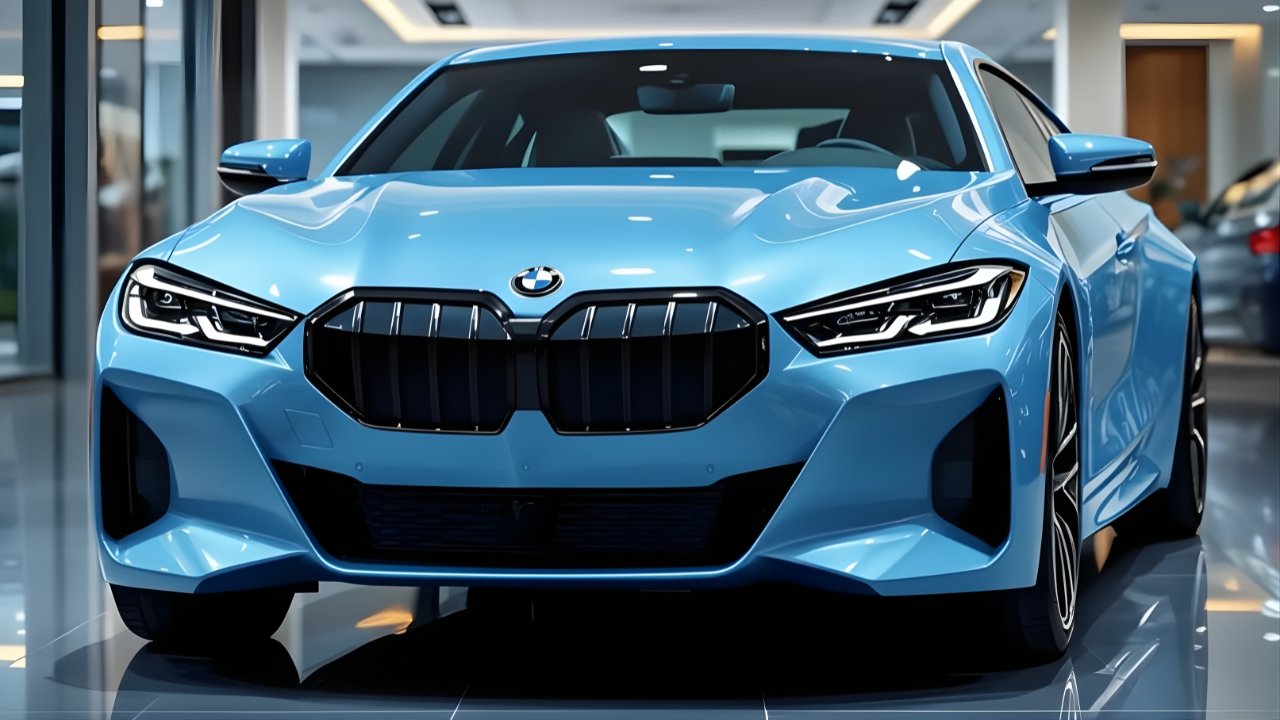
The automotive conversation around the 2026 BMW 3 Series is about evolution rather than revolution: BMW has taken a careful route to refine chassis dynamics, introduce stronger hybridisation across the range and modernise the cabin interface so the 3 Series remains the benchmark for compact executive sedans while adapting to a quickly electrifying market.
The 2026 BMW 3 Series brings mild- and full-hybrid technology to more trims, sharper interior tech with a large central screen and a renewed focus on sustained, driver-focused dynamics that long defined the model line; early road previews and specialist reviews describe the car as delivering familiar handling DNA with better everyday usability and more efficient powertrains.
Buyers looking for a modern compact premium sedan therefore find the 2026 BMW 3 Series positioned as both a driver’s car and a practical daily machine, combining efficient propulsion, polished interiors and the kind of chassis tuning that still rewards attentive drivers.
Design and Styling
From the outside the 2026 BMW 3 Series updates the silhouette with subtle but purposeful changes that sharpen presence without alienating traditional buyers: the proportions remain low and athletic, with taut surfacing over the flanks, a more assertive front graphic and refined detailing that gives the car a modern, composed face.
Where previous generations sometimes sought visual drama, this iteration aims for confident understatement — cues like narrower, higher-contrast lighting signatures, sculpted rocker panels and revised wheel designs make the sedan look contemporary yet timeless.
Designers paid attention to real-world ergonomics in the update: door apertures, sill heights and mirror placements are tuned for everyday convenience while aerodynamic tweaks such as active grille shutters and underbody smoothing help marginally reduce drag, improving both economy and wind noise at highway speeds.
The result is an exterior that reads as an evolution rather than an identity shift, allowing the 2026 BMW 3 Series to keep existing fans happy while appealing subtly to newer buyers who favour refined presence over flash.
Interior and Infotainment
Inside, the 2026 BMW 3 Series pushes more technology into a cleaner, driver-centric layout that prioritises usability and tactile quality. The cabin blends high-grade materials across touch points with an integrated digital display architecture dominated by a sizeable central touchscreen and a crisp digital instrument cluster; the new HMI mapping reduces menu depth for frequent tasks and makes toggle operations quicker and less distracting on the move.
Seating and ergonomics receive careful attention: front occupants enjoy improved bolstering and multi-way adjustability with better long-distance comfort, while rear passengers see incremental legroom and headroom improvements in most markets, particularly where a long-wheelbase variant is offered.
Practicalities matter too—more usable cupholders, deeper door pockets and optional wireless charging modules make daily life simpler—so the 2026 BMW 3 Series’s cabin reads as a thoughtful upgrade that emphasises the intersection of premium materials and modern convenience rather than piling on gimmicks.
Display, Connectivity and Driver Aids
The 2026 BMW 3 Series introduces a larger central display with snappy graphics, expanded over-the-air capability and more intuitive voice and touch controls, making infotainment interactions less burdensome while adding a suite of connected services that matter to busy owners.
Connectivity is built for real-life workflows: faster navigation recalculations, clearer multimedia streaming handling and richer telematics for vehicle health and remote services. The safety and driver-assist package is broader and better integrated, with lane-keeping, adaptive cruise enhancements and more capable surround sensors that assist in complex urban driving and on highways; these systems are tuned to work smoothly with BMW’s dynamic control systems so assistance feels supportive rather than intrusive.
For people who use the car as both a daily commuter tool and a weekend driver, the 2026 BMW 3 Series’s display and connectivity upgrades mean less fiddling and more driving, an important practical gain over previous generations.
Powertrains and Efficiency
BMW’s drivetrain strategy for the 2026 BMW 3 Series expands hybridisation and refines combustion choices to deliver better real-world fuel economy and more usable torque across the rev range. Base and mid-level models typically use a modern 2.0-litre turbocharged four-cylinder with a 48V mild-hybrid system to smooth stop-start behaviour and provide a modest electric assist for transient loads, while higher-performance versions retain an inline-six architecture with more substantial electrified assistance for sharper response and improved efficiency.
The M-badged variants and sportier trims build on this with stronger hybrid assists and advanced cooling to keep performance high under sustained loads; in practice this means many buyers will enjoy brisk acceleration in everyday driving without sacrificing the refined, composed character that defines modern BMW engines.
\Transmission choices remain focused on slick, shiftable automatics that prioritise quick response and torque management, and drive-mode profiles let drivers bias the car toward efficiency or sharper throttle and steering response when desired. Real-world testing so far shows the strategy reduces fuel consumption in mixed cycles while preserving the character BMW customers expect.
Driving Dynamics and Chassis
Driving remains central to the 2026 BMW 3 Series experience: engineers have sharpened suspension geometry, tightened steering calibrations and improved body control to keep the sedan agile and communicative without compromising ride comfort.
Chassis refinements include improved bushings, revised anti-roll rates and optional adaptive dampers that allow the car to be compliant over broken urban surfaces yet hold flat and confident through spirited sweepers. Weight distribution and low centre-of-gravity packaging are maintained so the car still rewards a planted feel and precise turn-in, and advanced traction systems work quietly to preserve momentum rather than intervene harshly.
For track-day enthusiasts the sharper chassis and available performance brake packages make the 3 Series a satisfying weekend companion, while daily drivers appreciate the composed behaviour that reduces fatigue during long commutes. The net effect is a sedan that stays true to the line’s sporting DNA while broadening appeal via comfort and usability gains.
Safety, Ownership and Market Position
BMW has kept safety and ownership experience front of mind with the 2026 BMW 3 Series by expanding ADAS functionality and strengthening service and software support channels to ensure a rounded ownership proposition.
Structural improvements for crash performance, enhanced pedestrian detection logic and more refined driver assistance profiles strengthen the car’s safety case, while BMW’s increased focus on OTA updates and connected care services helps keep vehicles current without mandatory dealer visits for many software-level improvements.
In market terms the 3 Series still competes with German rivals and premium EV alternatives by offering a balanced price-to-feature mix; customers choosing the 2026 BMW 3 Series are often seeking a blend of driving engagement, luxury appointments and the reassurance of a global service network, making the model a perennial favourite in its segment. Notably, production and logistics changes across BMW’s plant network influence regional availability and launch timelines, so buyers should verify local trim and timeline details with dealers when ordering.
Conclusion
The 2026 BMW 3 Series keeps faith with the lineage that made the model a benchmark while sensibly modernising chassis, propulsion and interior systems for today’s buyers; it combines updated hybrid powertrains, sharper cabin tech and refined dynamics so the car feels contemporary without losing the tactile rewards of a true driver’s sedan.
For prospective owners the 2026 BMW 3 Series represents a practical performance choice—an everyday car that also delivers engaging driving when called upon—and it’s especially compelling for buyers who want efficient, electrified propulsion married to a chassis that still communicates clearly through steering and suspension.
Test-driving representative trims and confirming regional powertrain availability and delivery timelines are sensible first steps for anyone considering purchase; those checks will ensure the chosen specification aligns with personal priorities for economy, performance and equipment.
Disclaimer:
this article synthesises expert reviews, manufacturer overview material and early road tests to present a balanced view; always confirm final specifications, local pricing and delivery schedules with authorised BMW dealers before ordering.
